Marvin Gaye
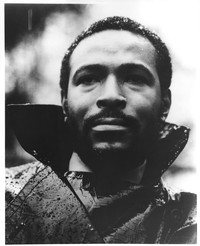
Marvin Gaye (born April 2, 1939 in Washington, D.C.) grew up in a house so strict it could choke the joy out of a kid, the kind of environment where music wasn’t a hobby — it was the only safe exit he had. He moved from church harmonies to doo‑wop, got taken under Harvey Fuqua’s wing, and eventually found his way to Motown, where he tried to position himself as a jazz stylist before the label steered him into R&B. Once he settled into that lane, he became Motown’s quiet disruptor. This artist could deliver polished hits on command but was always wrestling with something deeper under the surface. Marvin carried the weight of the world on him; global suffering, war, poverty, addiction, police violence — he felt all of it personally, and it tore at him until he couldn’t ignore it anymore. He openly admitted that the sensual records were sometimes strategic, a way to keep the public’s attention long enough for him to slip in the real messages about humanity, compassion, and the state of the world. The loss of Tammi Terrell cracked something open in him, pushing him toward more vulnerable, socially aware work that reshaped what soul music could talk about. Over the years, he reinvented himself again and again — spiritual, political, romantic, erotic, autobiographical, experimental — always using R&B as a mirror for whatever storm he was living through. His late‑career rebirth overseas showed he could rebuild himself from the ground up, blending new sounds with the same emotional honesty that defined him from the start. Marvin Gaye died on April 1, 1984, in Los Angeles after being shot by his father during a domestic dispute.
Similar Artists